A vegetable garden isn’t just a way to enjoy fresh produce, but also offers immense satisfaction from growing plants from seed to harvest. A well-planned vegetable garden can be both easy to maintain and highly productive, provided you take care of a few things from the start. The most important things are proper layout of the beds, proper soil preparation, and the use of solutions that will limit weed growth while also simplifying daily plant care.
It’s the organization of the space that determines whether a garden will require hours of work or become a tidy and easy-to-maintain place. Supports for vegetables and climbing plants also play a crucial role. In this guide, we’ll show you what it looks like. setting up a vegetable garden step by step – from choosing the right location, through planning the beds, to effective weed control methods and proper plant support. This means that even those without extensive experience will be able to create a garden that will quickly begin yielding its first harvests.
Many people wonder, how to start a vegetable garden, so that the plants grow well and gardening doesn’t take up all your free time. The key is choosing the right location, carefully planning the beds, and choosing the right vegetables wisely. Even a small amount vegetable garden carefully fitted from scratch can quickly become efficient.
Vegetables grow best in a sunny location sheltered from strong winds. Most varieties require at least 6–8 hours of light per day, so avoid planting under trees or next to tall buildings. Access to water is also important. Regular watering is essential, especially in summer, so it’s best to plan a vegetable garden in an area easily accessible by a garden hose or irrigation system. Before starting your garden, it’s also worth checking the soil quality. Fertile, well-drained, and humus-rich soil works best.
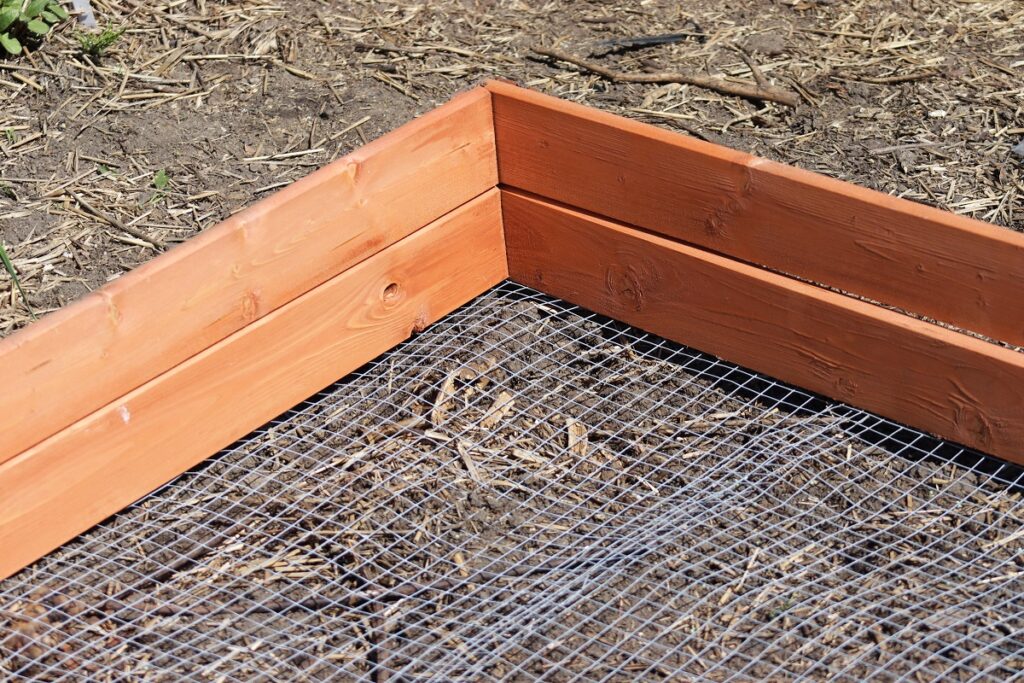
The layout of the beds should provide convenient access to the plants and facilitate care. Beds approximately 100–120 cm wide are most often recommended, as they allow easy access without trampling the soil. It’s a good idea to leave paths approximately 40–60 cm wide between them. This makes watering, weeding, and harvesting easier. Raised beds are also a good solution, as they:
When planning, remember to plant taller plants, such as tomatoes and pole beans, on the north side of the vegetable garden. This will prevent them from shading shorter vegetables.
| Vegetable / plant | Difficulty level | Why is it worth starting? |
| Lettuce | very easy | it grows quickly and can be harvested in stages |
| Radish | very easy | short growth time, quick results |
| Zucchini | easy | very fertile, gives large harvests |
| Beans | easy | grows well and does not require complicated care |
| Tomatoes | mean | popular, but require supports and regular care |
| Chives and herbs | very easy | low requirements, constant access to fresh ingredients |
Weeds quickly appear in any vegetable garden, especially where the soil is exposed and watered regularly. In a well-planned vegetable garden It’s not about removing them completely. What’s important is taking steps to prevent volunteers from taking over the beds and from competing with the vegetables for water or light.
Weeds grow faster than most vegetables and utilize available space very efficiently. Their presence causes:
Additionally, volunteer weeds compete with vegetables for nutrients and light, which can weaken crops and result in lower yields. Some weed species also promote disease development and provide shelter for pests.
The simplest way to control weeds is to mulch, or cover the soil with a protective layer. This can be straw, grass clippings, or wood chips. Mulch has many benefits:
Mulching slows soil warming and drying, helping maintain better conditions for vegetable growth. Over time, natural mulch also decomposes in the soil, improving its structure and enriching the soil with valuable organic nutrients.
It works well in many situations agro-textile weed control, especially on paths between flower beds or in areas where volunteers are particularly prone to spontaneous growth. It limits their growth while simultaneously allowing water to permeate the soil. This solution significantly reduces the frequency of weeding and facilitates garden maintenance throughout the season. Agrotextile is also durable and weather-resistant, so it can be used for several years without the need for frequent replacement.
In many vegetable gardens, supports are considered an accessory, but they have a huge impact on plant health, yield, and ease of care. Creeping or tall plants, without support, are prone to bending, breaking, and disease more easily because air circulation is poor around them. Well-planned supports also help organize the garden space and facilitate the implementation of vegetable planting plan, which takes into account the height of plants and their way of growth.
| Plant | Why does it require supports? |
| Tomatoes | heavy fruit and stems requiring stabilization |
| Cucumbers | climbing plant, needs upward guidance |
| Pole beans | climbs intensively and grows vertically |
| Pea | shoots easily bend over without support |
| Pepper | heavier fruits may break the stems |
| Raspberries and blackberries (some varieties) | long, slender shoots that require guidance |
The choice of supports depends on the type of plant and the available space. The most popular solutions include:
Tying plants requires regularity and gentleness. Tying them too tightly can damage the stems, while tying them too loosely will not provide stability. The most important rules are:
It’s best to tie plants down early in their growth cycle, before the stems become heavy and susceptible to damage. Regularly adjusting the tie-downs allows the plants to grow naturally and prevents them from toppling over under the weight of fruit or in strong winds.
It’s best to consider support at the garden design stage, not just during the growing season. In practice, a well-thought-out vegetable planting plan allows for:
Appropriate arrangement of tall and climbing plants makes the vegetable garden more orderly and efficient, and makes maintenance much easier.
Watering is one of the most important aspects of running a vegetable garden – it determines plant growth, resilience, and crop quality. Both too little and too much water can cause problems, so it’s worth developing a regular irrigation system from the start. It’s best to water early in the morning when the soil is cool and water evaporates more slowly. Evening watering is also possible, but damp nights can promote fungal diseases.
It’s important to water less frequently but thoroughly (so that water reaches the roots, not just the soil surface). Drip irrigation and rainwater harvesting work well for larger crops, helping maintain constant moisture and saving time. It’s also important to remember that light soils require more frequent watering, while heavier soils retain water longer. Well-planned irrigation ensures stable growth and reduces susceptibility to water stress throughout the season.
Often, the biggest problems in the first season don’t stem from the cultivation itself, but from decisions made beforehand. Proceeding too quickly without observing the conditions means that even a promising vegetable garden won’t develop as expected. One common mistake is not matching the size of the garden to one’s own resources.
A too-large vegetable garden to start with means difficulty with regular maintenance, which ultimately leads to neglect and reduced yields. It’s better to start with a smaller area and then gradually expand. Seasonal rhythms are also often overlooked – sowing vegetables without considering the correct timing leads to poor germination or low yields. Timing your crops is important because it influences the overall outcome.
A well-designed vegetable garden is one that is easy to use from the start and doesn’t require chaotic activities during the season. It’s not the number of plants that matters, but whether the space has been planned in a way that facilitates daily work and maintains order. In practice, a gradual approach works best – starting on a smaller scale, thus developing the garden with experience. This makes it easier to maintain control over crops and more quickly develop your own work rhythm during the season. When gathering equipment for establishing or maintaining a vegetable garden, you can check out the range of products available at SAMMLER.
PLAN YOUR VEGETABLE GARDEN FROM SCRATCH
REDUCE WEEDS AND TIDY UP YOUR FIELDS

Products 100%
recycled

Help in reducing
weeds

More convenient
planning the beds


 EN
EN  PL
PL  DE
DE  RO
RO  RU
RU  UK
UK