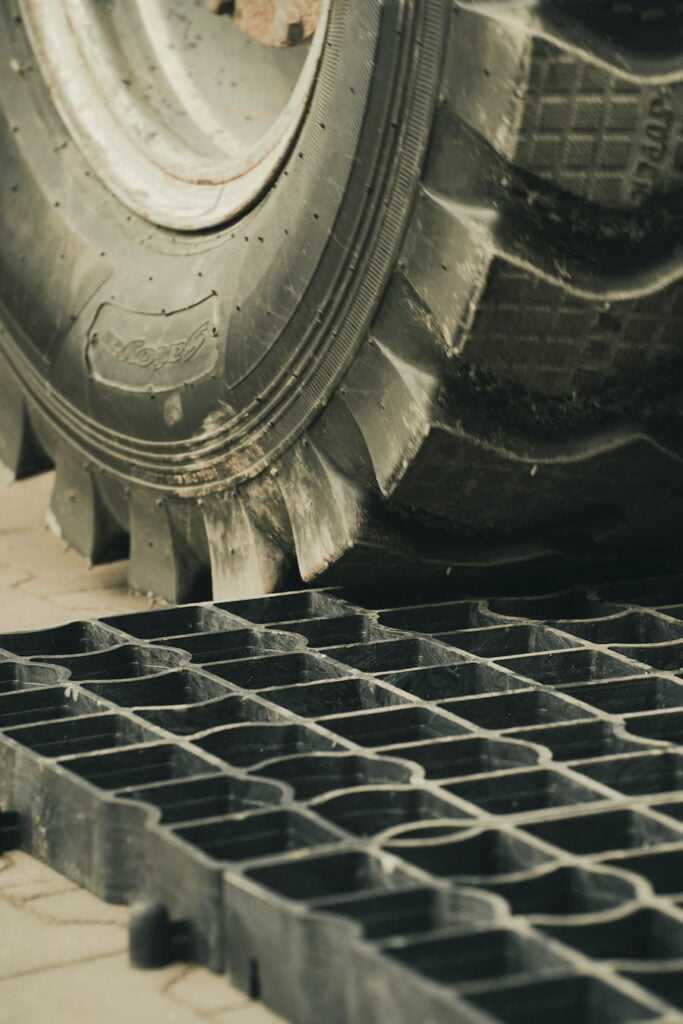
Parking grids that sag are a problem that many property owners and property managers struggle with. This causes unevenness, potholes, and unsightly ruts where water collects. The cause of this phenomenon is rarely damage to the material itself—more often, the source lies deep underground, in an improperly constructed subgrade or poor drainage. Read the guide below to learn the exact causes of subsidence and learn step-by-step how to effectively and permanently eliminate this problem on your property!
The main reason parking grids collapse is due to errors made during the preparation of the sub-base layers. This structure is merely a surface element, whose purpose is to hold the fill (aggregate or grass) and evenly distribute the pressure of the vehicle wheels. eco grid However, it does not transfer the loads into a vacuum – it transfers them directly to the aggregate below.
If the earthworks fail to dig to the proper depth or use inappropriate materials (e.g., sand alone instead of crushed stone and aggregates of varying sizes), the subgrade will inevitably begin to settle. Another common mistake is the failure to use a geotextile separation layer. Without this layer, the subgrade aggregate mixes with the native soil over time (especially in clayey areas), leading to the entire structure collapsing under the weight of vehicles.
When you notice that parking grate bends under the car, the signal is clear: the subgrade beneath the surface has undergone local compaction or elastic deflection. This phenomenon is particularly common in parking spaces, where the vehicle’s wheels constantly press against the same exact points.
The most common causes of panels sagging under the weight of a vehicle include:
Water is one of the biggest enemies of road surface stability. A parking grid collapsing after rain directly indicates a lack of adequate subgrade permeability or poor stormwater drainage.
Rainwater penetrating the surface structure should freely percolate into deeper layers of the soil. If the native soil consists of impermeable clay or silt, and the subgrade is not sealed with geotextile and provided with a drainage layer, the accumulating water turns the subgrade into mud. As a result, the weight of a parked or passing vehicle presses the softened soil upwards or sideways, and the panels cannot be maintained in a flat plane.
In winter, an additional factor adds to this – frost heave. Water freezing in the substructure expands, lifting the panels. When the ground thaws, the ground loses any load-bearing capacity, creating sinkholes.
Wondering how to repair a sagging parking lot grate so the problem doesn’t return the first time it rains? Simply pouring clay or soil over the damaged area is a temporary measure and is insufficient. Effective repair requires getting to the root of the problem.
Here is the step by step procedure:
Not every time, repairing the floor alone will yield the desired results. Knowing when to replace your parking grid can help you avoid double labor costs.
Replacing the surface panels with new ones is necessary in the following situations:
However, if the modules are intact and have retained their flexibility, it is enough to re-stabilize the substrate and lay the same elements again.
A durable parking grid requires ground stabilization. To enjoy a level driveway for many years without the risk of subsidence, follow these basic construction principles:
A quick response to the first signs of subsidence is crucial. If you notice the parking grid in your driveway or parking lot sagging, limit parking in that specific spot to avoid damaging the plastic modules with wheel edges. Next, diagnose the cause – ensure that water has adequate drainage and that the ground hasn’t been washed away by a damaged storm or drainage pipe in the area. Spot repair of the subgrade using geotextile and a mechanical compactor will restore the original levelness of the surface and ensure trouble-free use for years to come.
Looking for materials that will guarantee the stability of your driveway for years to come? To avoid problems with sagging surfaces, choose certified solutions from a proven Polish manufacturer! We offer high-quality parking grids with excellent durability parameters and the accessories necessary for proper ground stabilization. We encourage you to contact us – we will be happy to help you choose the best solution.
PLAN YOUR VEGETABLE GARDEN FROM SCRATCH
REDUCE WEEDS AND TIDY UP YOUR FIELDS

Products 100%
recycled

Help in reducing
weeds

More convenient
planning the beds


 EN
EN  PL
PL  DE
DE  RO
RO  RU
RU  UK
UK